
Research Powers Progress
What we discover and create at UCLA — with the help and support of federal grants — goes far beyond the walls of our labs and classrooms. Our life-saving and life-changing research benefits real people across America in transformative ways.
At UCLA, research is fueling breakthroughs that shape a brighter future. From developing new treatments that save lives, to advancing technologies that transform daily living, to exploring the mysteries of the universe, our investigators are driving discoveries that benefit people everywhere.
Each study carries the potential to improve health, strengthen communities, and expand knowledge in ways that touch us all. With sustained support, UCLA researchers continue to turn bold ideas into real-world impact—creating hope, opportunity, and progress for generations to come.
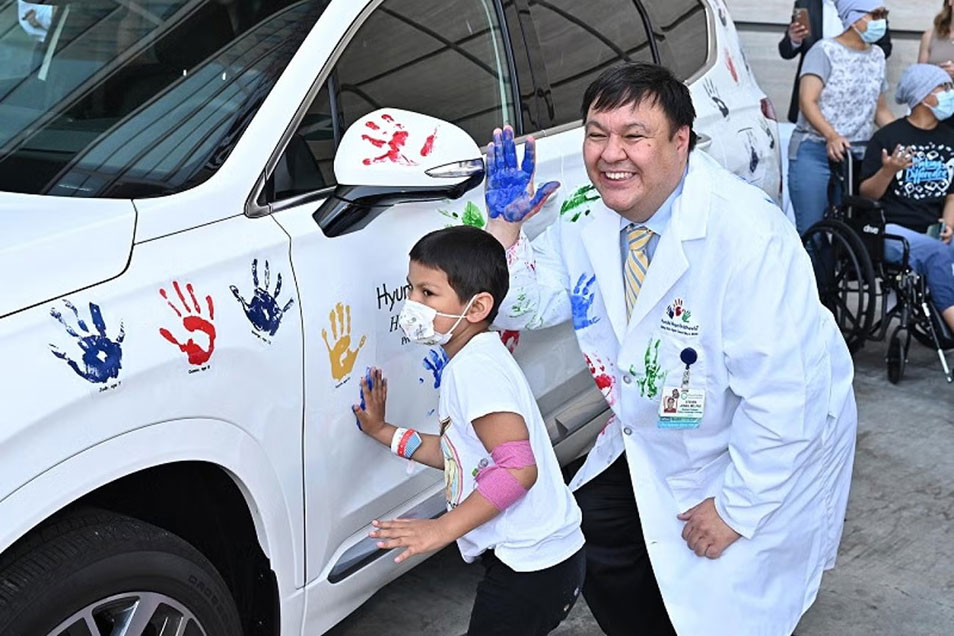
Engineering powerful new technologies for a healthier future
Dr. Steven Jonas, a UCLA pediatric oncologist and physician-scientist, is advancing treatments for childhood cancer and cystic fibroisis through groundbreaking nanotechnology and gene therapy research that merges medicine with engineering. Backed by major grants, Jonas’ multidisciplinary work aims to make safer treatments that are more effective and cost-efficient.
-

Decades of UCLA research basis of free relationship help offered in Los Angeles
UCLA’s Andrew Christensen, a distinguished research professor of psychology, spent decades pioneering an evidence-based approach to treating couples known as Integrative Behavioral Couple Therapy (IBCT). His work now powers OurRelationship, a free online program that helps couples improve communication, trust and relationship satisfaction and makes support more accessible than ever.
-

Sowing Seeds for the Future: UCLA’s Victoria Sork Uses Genetics to Combat Climate Change
As climate change threatens California’s signature valley oaks, Victoria Sork, a distinguished UCLA ecology and evolutionary biology professor, is using genomics to identify climate-resilient traits and physiological adaptations. By strategically planting genetically adapted seeds, scientists can help these and other species survive well into the future.
-
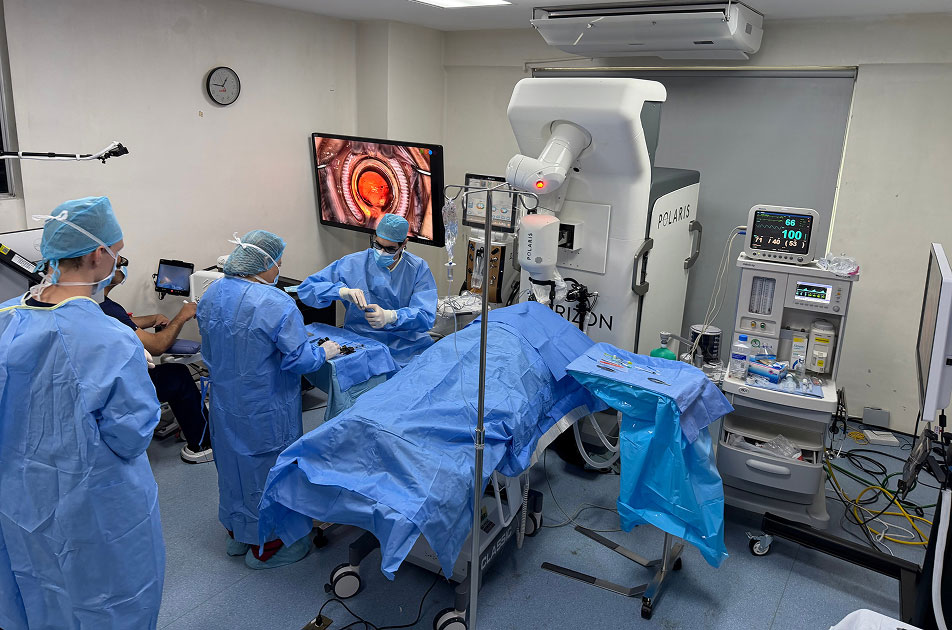
UCLA research achieves first robotic-assisted cataract surgery
Thanks to a multidisciplinary collaboration at UCLA, the world’s first robotic-assisted cataract surgery was performed using technology created by Horizon Surgical Systems, founded by current and former UCLA faculty members. The cutting-edge platform combines robotics, AI and 3D imaging and offers hope for improved surgical outcomes and more accessible eye care.
-

UCLA experts partner for environmental health research
UCLA researchers Beate Ritz and Kimberly Paul have found that exposure to certain pesticides before and during pregnancy may harm newborn health. In the future, they will analyze whether there’s also a connection with later neurodevelopmental health, research that could shed light on environmental impact and lead to improved outcomes.
-
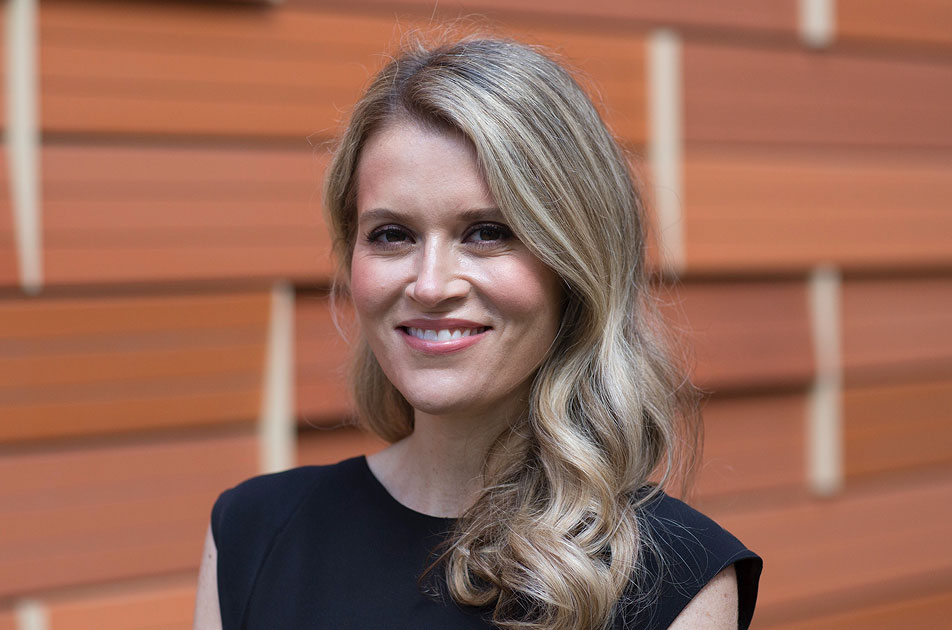
How a UCLA professor uncovered the science behind loneliness
While exploring how social rejection affects the brain and body, researcher Naomi Eisenberger, a social psychology professor and director of the Social and Affective Neuroscience Lab, has shown that connection is vital to mental and physical well-being and that performing small acts of kindness for others can ease loneliness.
-
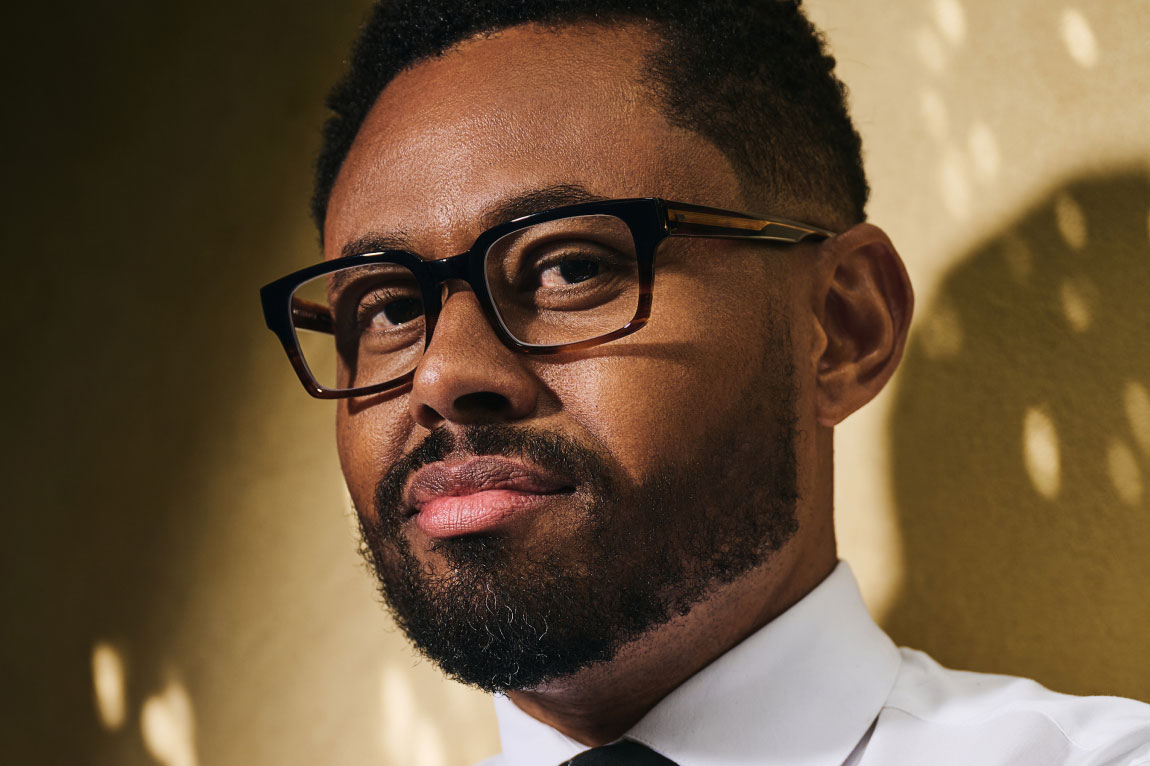
How a UCLA professor and his students are challenging the reporting of in-custody deaths
UCLA Professor Terence Keel, founder of the BioCritical Studies Lab, leads the Coroner Report Project, which investigates deaths in police custody. By analyzing autopsy reports and related records, his team exposes flaws in death investigations while highlighting systemic injustice and the need for greater transparency and accountability.
-

Evolutionary biology of women
Through her pioneering research, which includes collecting biological samples, conducting interviews and analyzing data sets, UCLA’s Molly Fox, an associate professor of anthropology, has expanded our understanding of women’s lived experiences, cognitive aging, chronic disease risk and the ways that human family dynamics may influence biology.
-
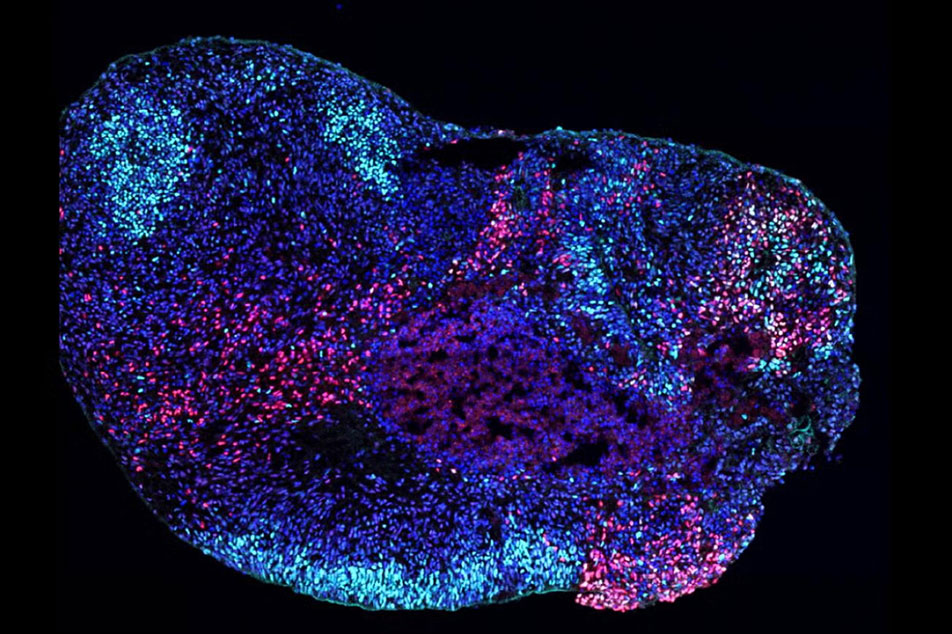
Unlocking the brain’s secrets: How epilepsy genes affect different regions
Thanks to a study using advanced 3D brain models, scientists at UCLA Broad Stem Cell Research Center discovered that a single gene variant can cause a variety of developmental problems often seen alongside epilepsy. These stem cell-derived models could become a vital tool for developing treatments for epilepsy and other cognitive and behavioral challenges.
-
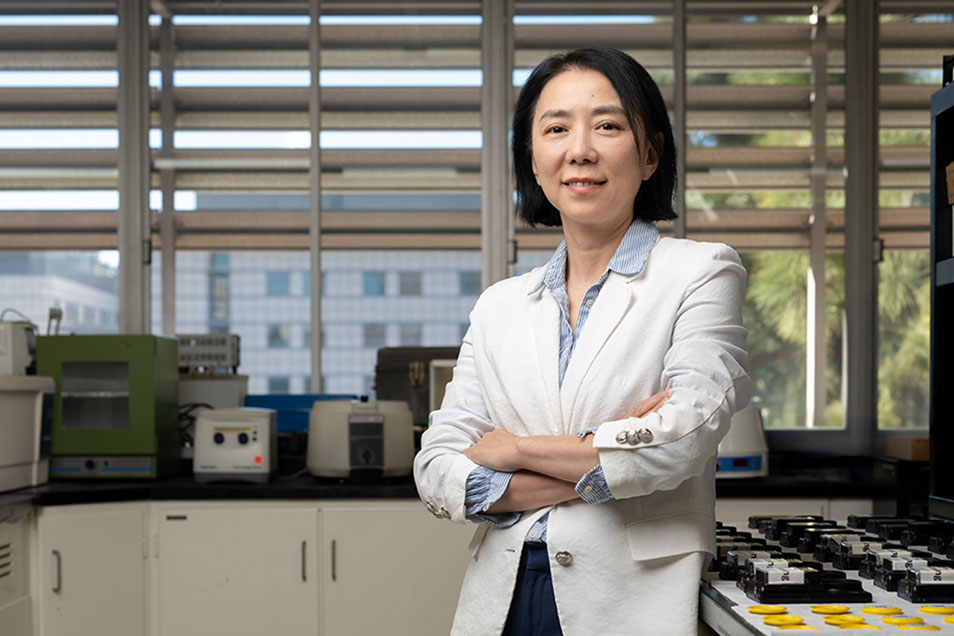
Science that helps L.A. communities breathe easier after fires
Air-quality researcher Yifang Zhu, who is a professor in environmental health sciences at UCLA, leads up a research team that is helping the public better understand the air they breathe during and after fires. The projects include examining air quality during and after the January 2025 wildfires, looking at whether and how smoke-damaged belongings can be cleaned, and creating a real-time air quality network in the Palisades.
-

Rebuilding faster after fire
After wildfires destroyed thousands of homes, cityLAB-UCLA turned community-engaged research into action. The research center’s recently published “Altadena Prefab Housing Handbook” — developed with community partners and informed by residents affected by the Eaton fire — offers wildfire survivors a clear, practical guide to rebuilding faster and more affordably using prefabricated homes.
-

Using climate change science to help post-fire rebuilds solve the real problems
UCLA professor Alex Hall and a team of climate scientists have conducted research that conclusively shows how climate change made fire fuels 25% drier in the lead up to the January 2025 wildfires. The study has provided evidence-based information that has influenced the national conversation about rebuilding to prevent future disasters.
-
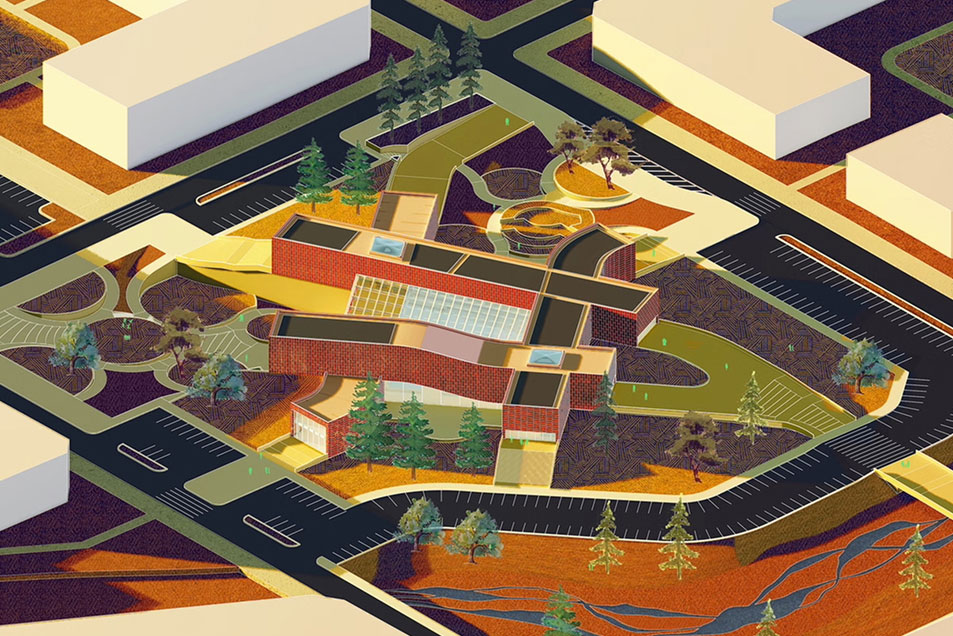
Rethinking cities in an age of fire
Wildfires are reshaping how Californians live, build and plan for the future. Led by UCLA faculty Hitoshi Abe and Jeffrey Inaba, the publication “FireCity FireLand: Towards a Regenerative Urbanism” distills three years of UCLA-led research examining how cities can adapt to growing wildfire risk, reimagining urban design at the wildland-urban interface that supports resilience, coexistence and long-term public safety.
-
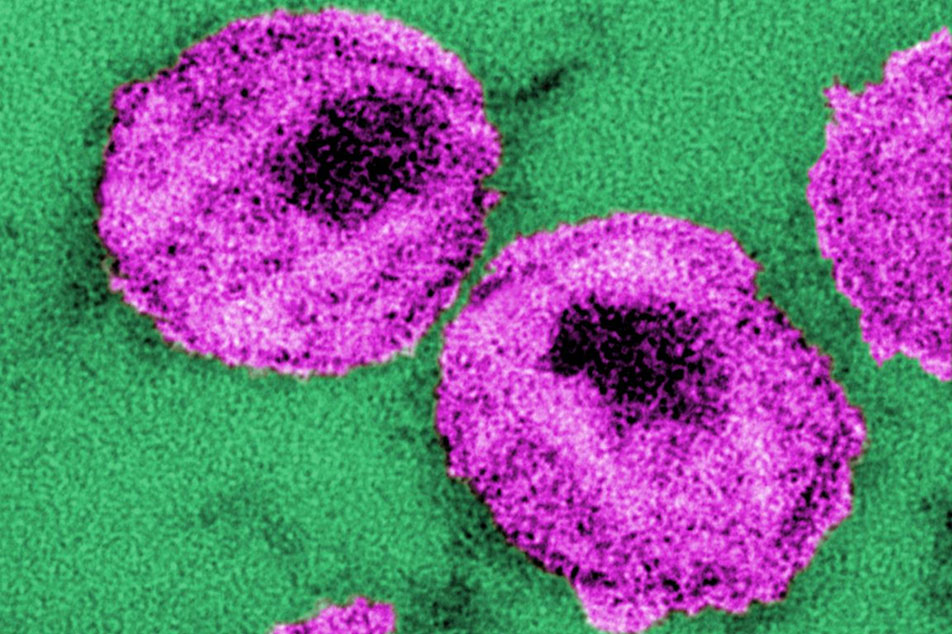
The fight to finally cure HIV
Immunology researcher Jerome Zack is a pioneer in developing innovative approaches aimed at eradicating HIV. With 40 million people worldwide still living with HIV and more than one million newly infected in 2024 alone, Zack believes stable funding is the key to turning scientific progress into a cure.
-
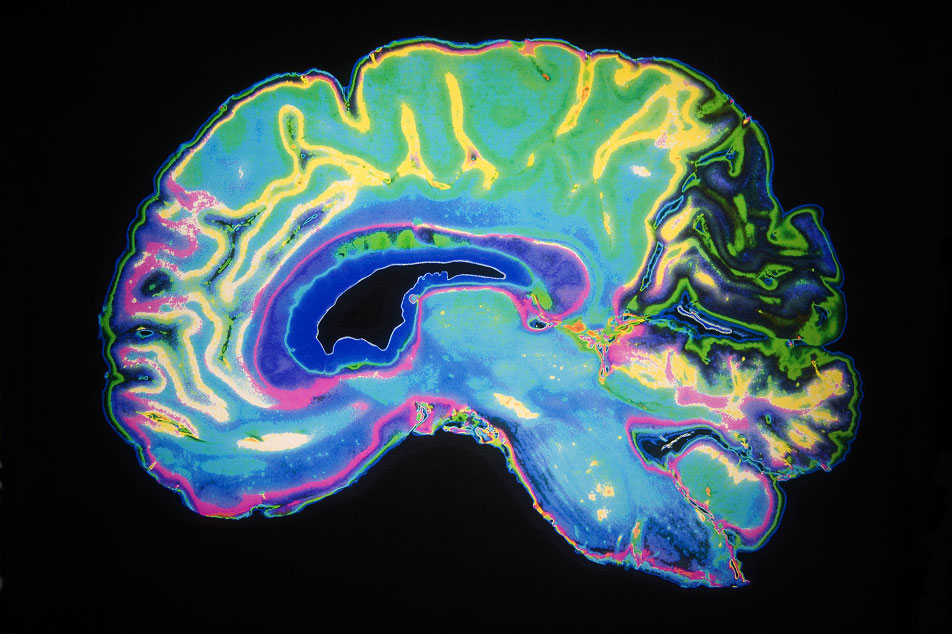
More sleep means better brain health
Director of UCLA’s Brain Research Institute Gina Poe and professor of ecology, evolutionary biology and computational medicine Van Savage are part of a team of researchers studying brain patterns during sleep, the critical role sleep plays in the maintenance and repair of neurons, and how a chronic lack of sleep can have serious consequences.
-
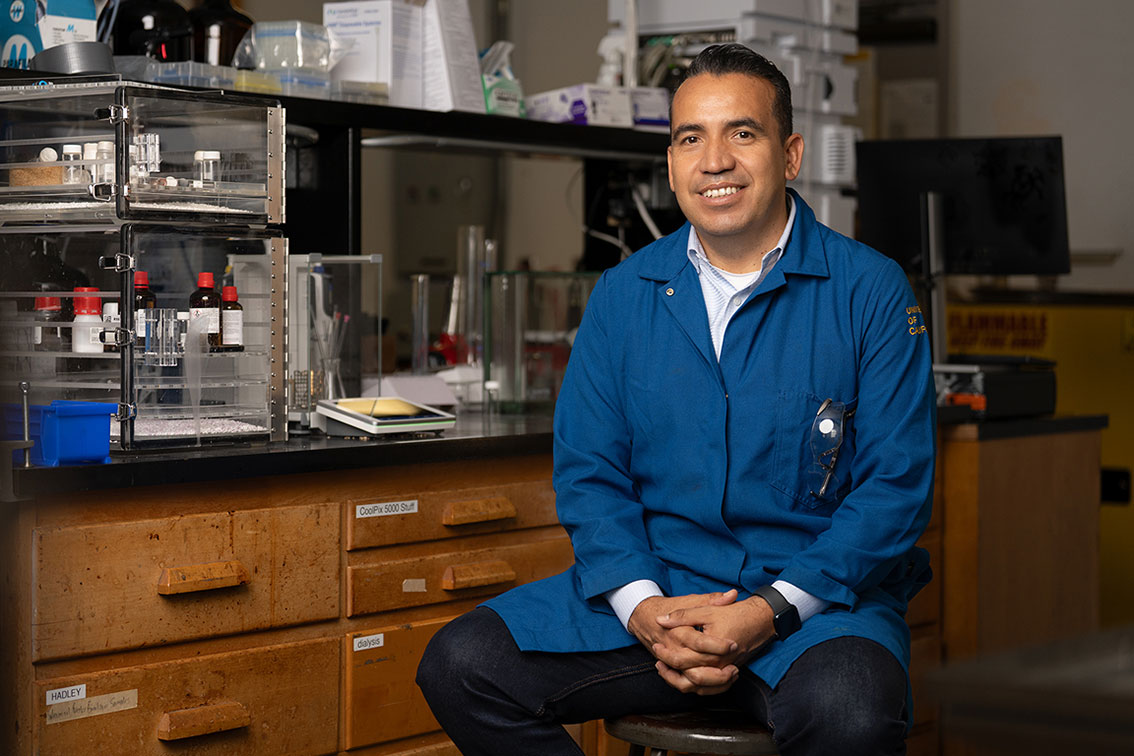
Making medicine affordable
In recent years, revolutionary advances in medicine have helped address some of the most pressing challenges to human health. But not everyone can afford these lifesaving treatments. Osvaldo Gutierrez, a UCLA professor of chemistry and biochemistry, has set out to change that.
-
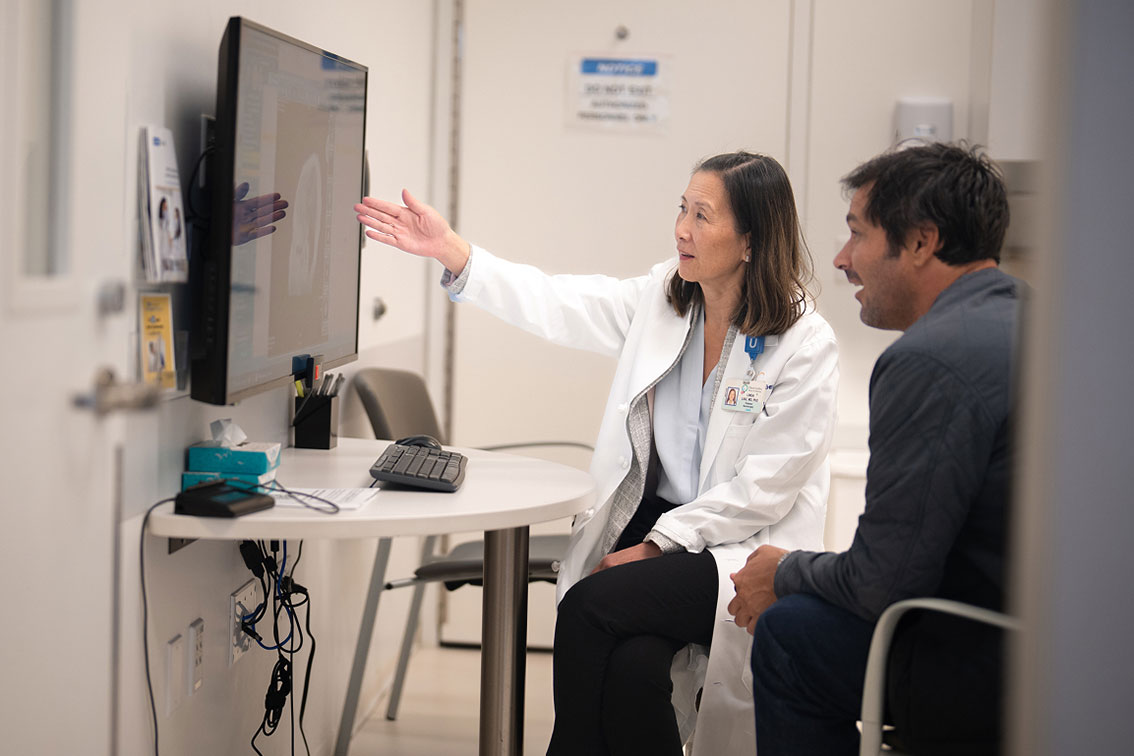
Beating brain cancer through vaccines and research
Across the university, surgeons and scientists are rethinking how to fight brain cancers, particularly glioblastoma, the most aggressive and deadly form of brain cancer. Among them are Linda Liau and Aparna Bhaduri, two researchers at UCLA Health Jonsson Comprehensive Cancer Center leading bold new approaches.
-
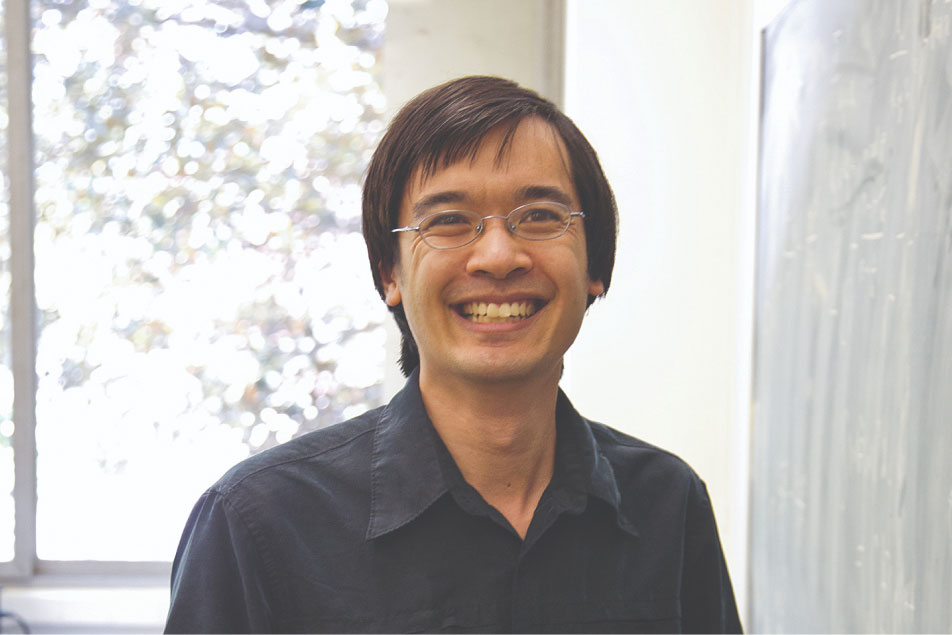
MRIs, Mozart and the wonders of mathematics
If you’ve had an MRI in recent years, you have UCLA mathematician and Fields Medal winner Terence Tao to thank for the technology. His foundational work in compressed sensing, conducted with Stanford professor Emmanuel Candès, paved the way for clinical techniques that use complex algorithms to create amazingly precise images from a tiny amount of data — cutting down the time and cost of the process and expanding its availability.
-
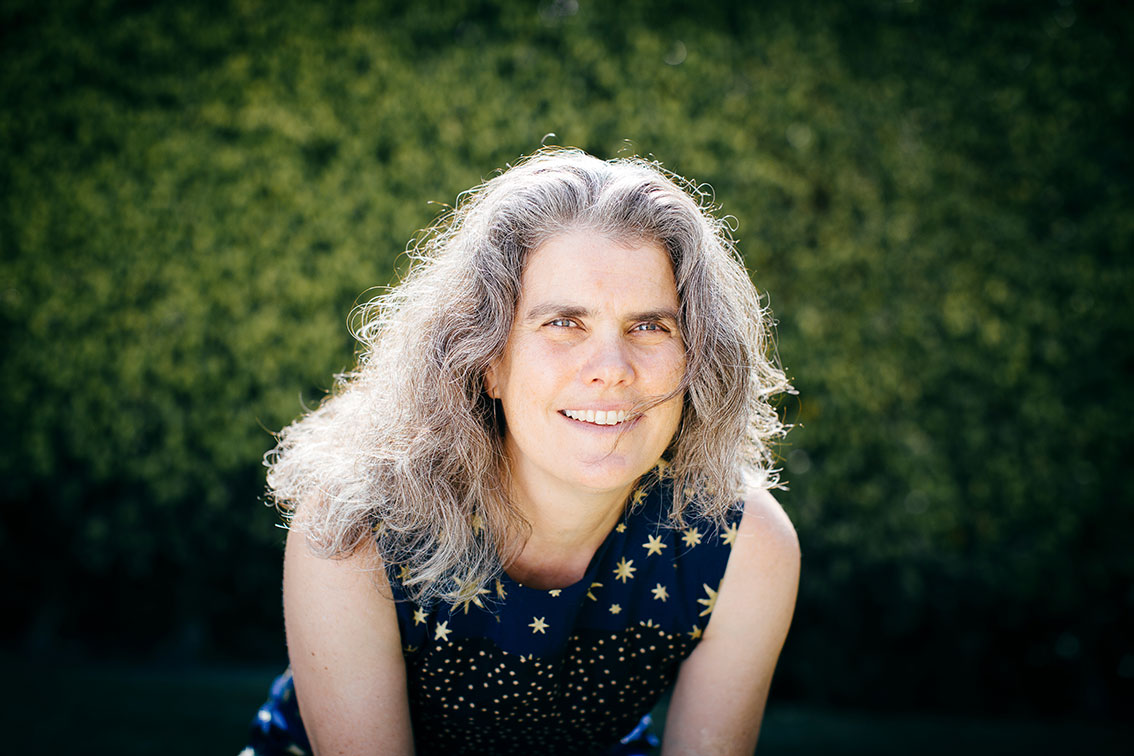
How Andrea Ghez unveiled the secrets of the stars
When world-renowned UCLA astrophysicist Andrea Ghez set out to map the heart of our galaxy, skeptics told her it couldn’t be done. Today she stands among science’s elite: a 2020 Nobel laureate — just the fourth woman ever awarded the prize in physics — for her pioneering discovery of the supermassive black hole at the center of the Milky Way.
-
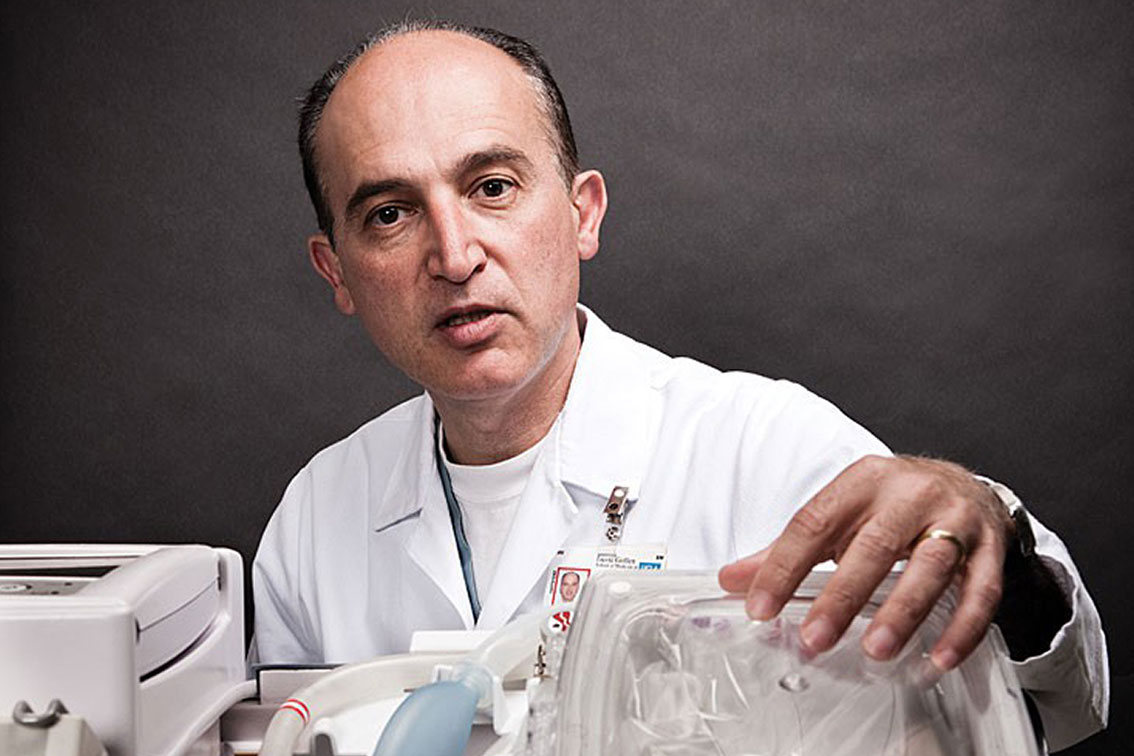
Saving hearts, one machine at a time
When a patient's heart or lungs fail, time becomes the ultimate enemy. For Dr. Abbas Ardehali, Director of the Heart, Lung and Heart-Lung Transplant Programs at UCLA's David Geffen School of Medicine, that race against time has defined decades of groundbreaking research and innovation.
-
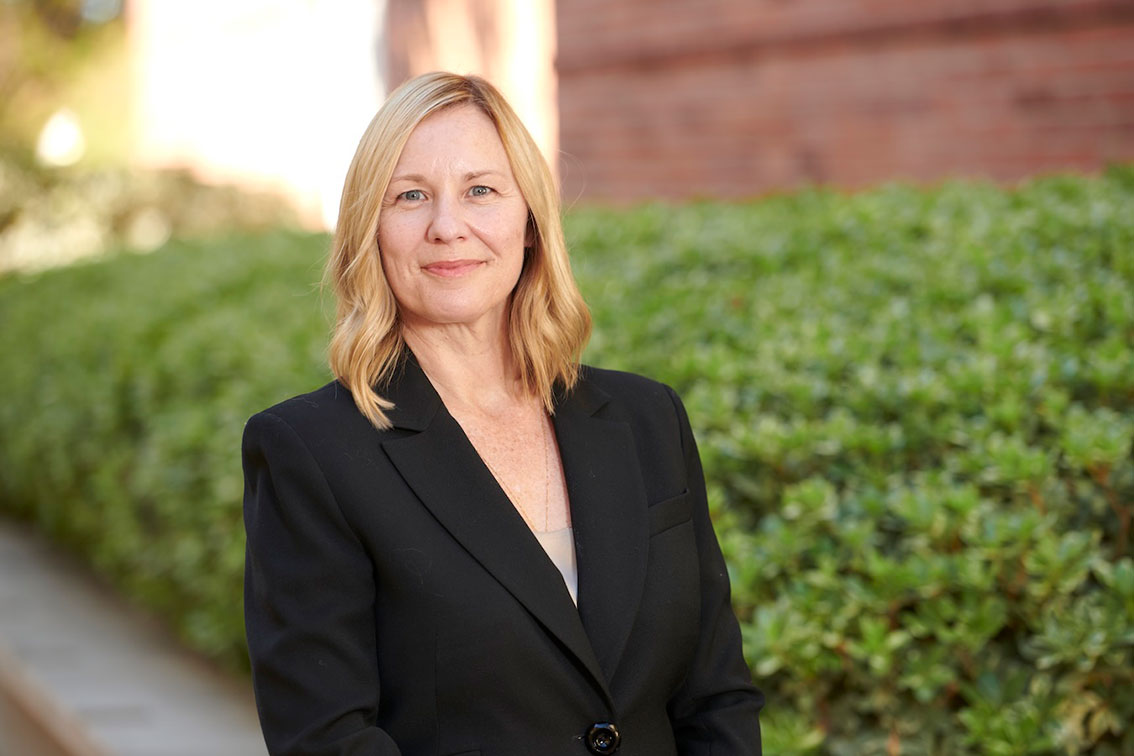
Better treatments for infertility
UCLA reproductive scientist Amander Clark is advancing infertility treatments by studying how stem cells develop into egg and sperm precursors, aiming to create functional reproductive cells in the lab.
-
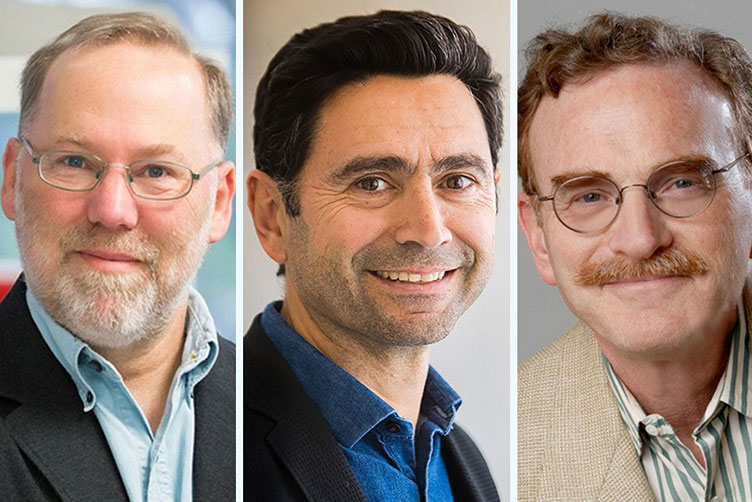
How Nobel Prize-winning Bruins changed the world
The Nobel Prize recognizes the world’s most celebrated innovators. Winners form a select group of leaders whose discoveries have left a lasting mark on humanity – and that group includes nine UCLA alumni.
-
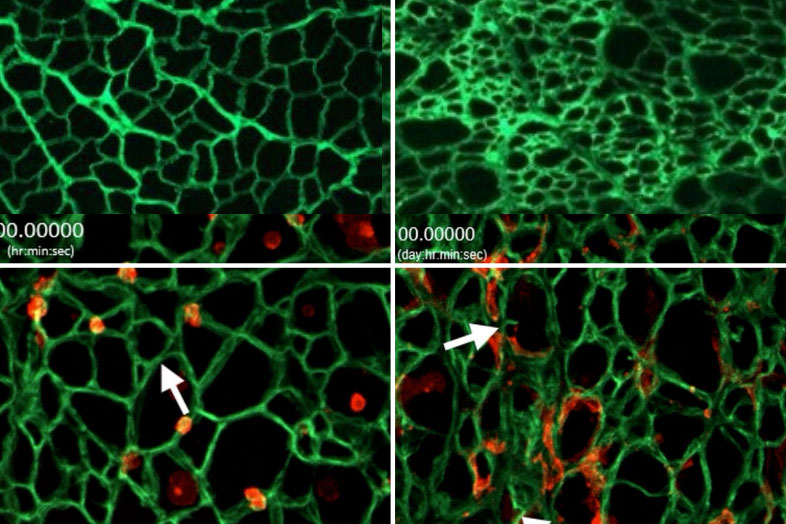
Treating muscular dystrophy
Advancing muscular dystrophy treatment by identifying sarcospan, a protein essential for stabilizing muscle cell membranes. Through the startup Pagoda Bio, they are developing gene-based and pharmaceutical therapies designed to reinforce muscle resilience and slow disease progression.
-
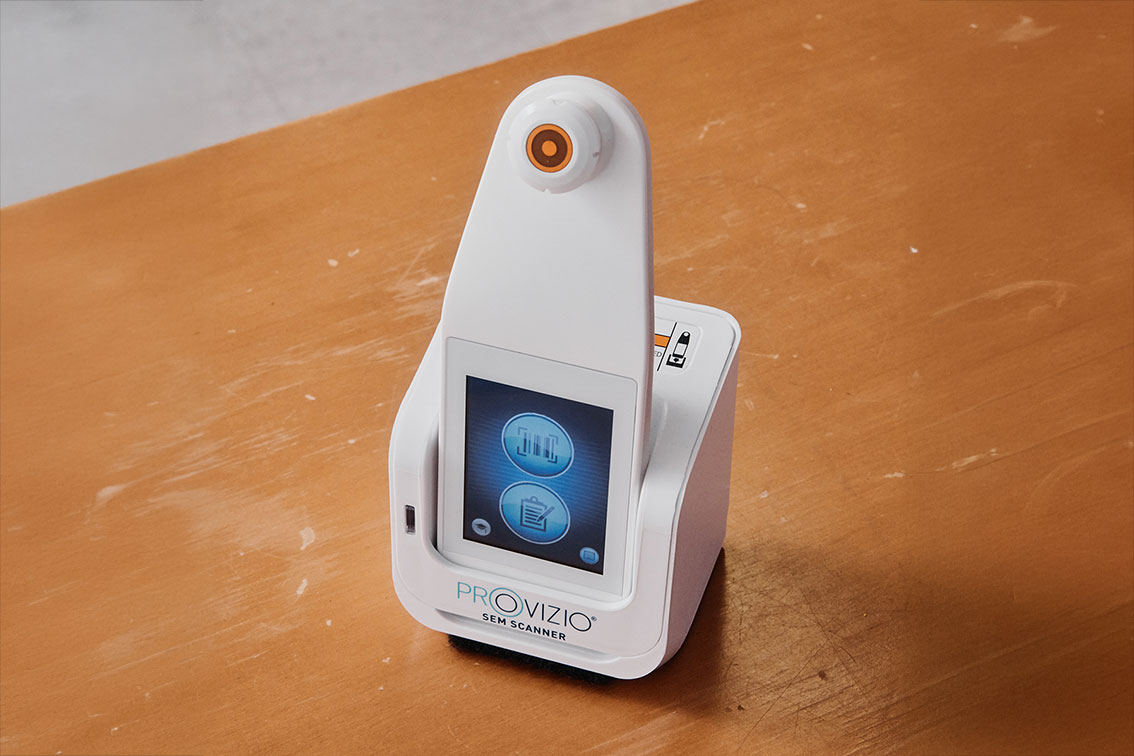
How UCLA’s Barbara Bates-Jensen revolutionized wound care
Pressure injuries are all too common in hospitals, an early indicator of serious issues. UCLA School of Nursing's Barbra Bates-Jensen helped create a fast, reliable device that can detect them in time to head off danger - and landed on Time magazine's list of best inventions.
-
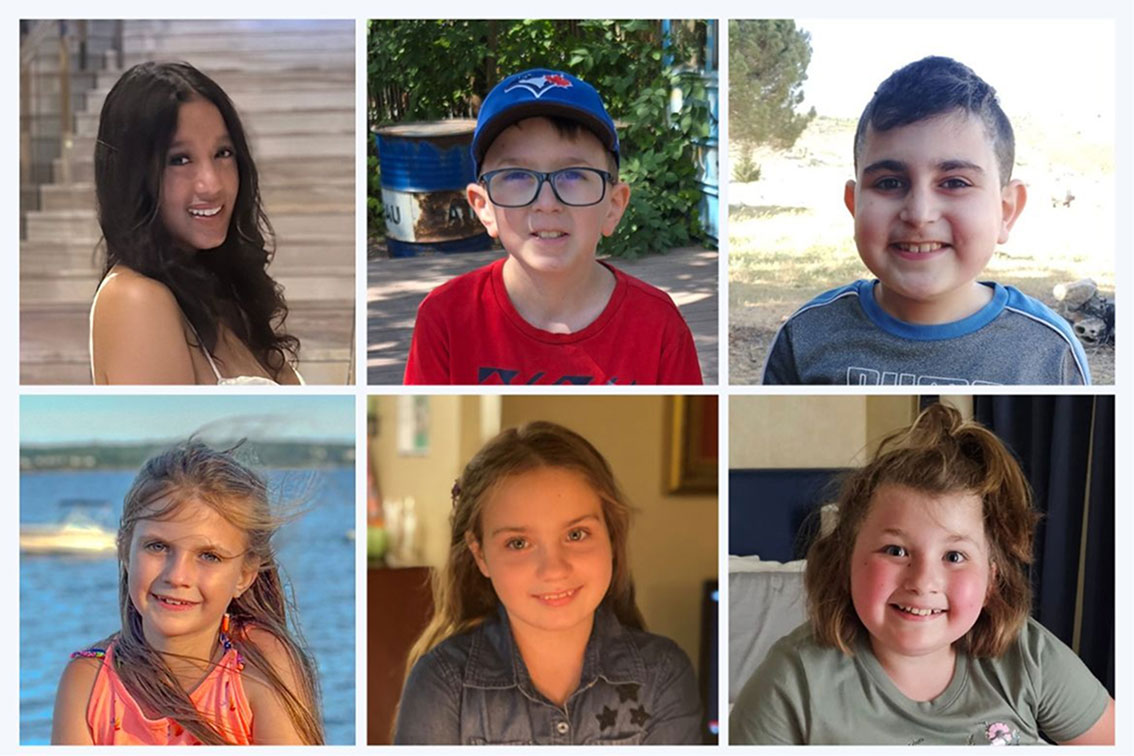
Giving children with immunodeficiency a chance to lead a normal life
For children with the rare condition ADA-SCID, day-to-day activities like going to school or playing with friends can lead to dangerous, life-threatening infections. If untreated, ADA-SCID can be fatal within the first two years of life. A blood stem cell gene therapy co-developed by UCLA’s Dr. Donald Kohn restored immune function in 59 of 62 children with ADA-SCID, with no serious complications reported.
-
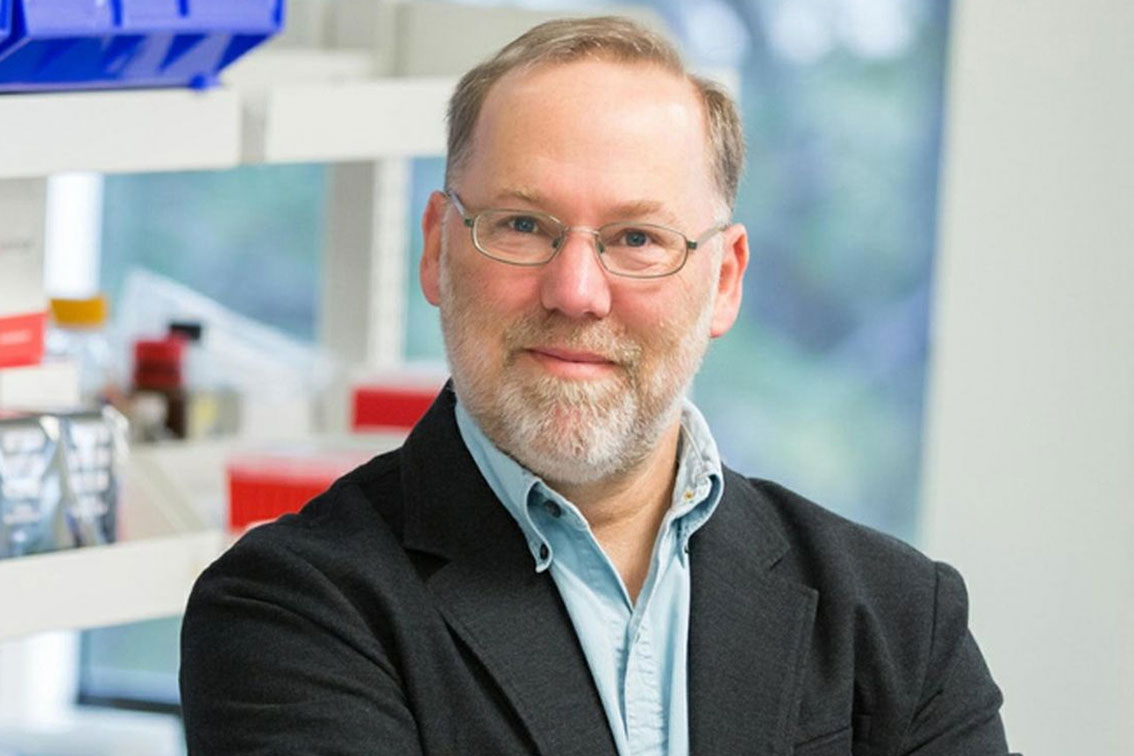
Bruin brilliance: UCLA alumnus Frederick Ramsdell wins the Nobel Prize
When Fred Ramsdell lost cellphone reception during a hiking trip deep in the Rocky Mountains, he had no idea history was calling. Twelve hours later, he emerged from the wilderness to discover he’d won the 2025 Nobel Prize in physiology or medicine.
-

Improving lives for people exposed to trauma
UCLA researchers are finding new treatments to ease the physical ailments caused by post-traumatic stress disorder. Their studies show that addressing the mental effects of trauma early on may help reduce risk of one such PTSD-linked complication: cardiovascular disease.
-
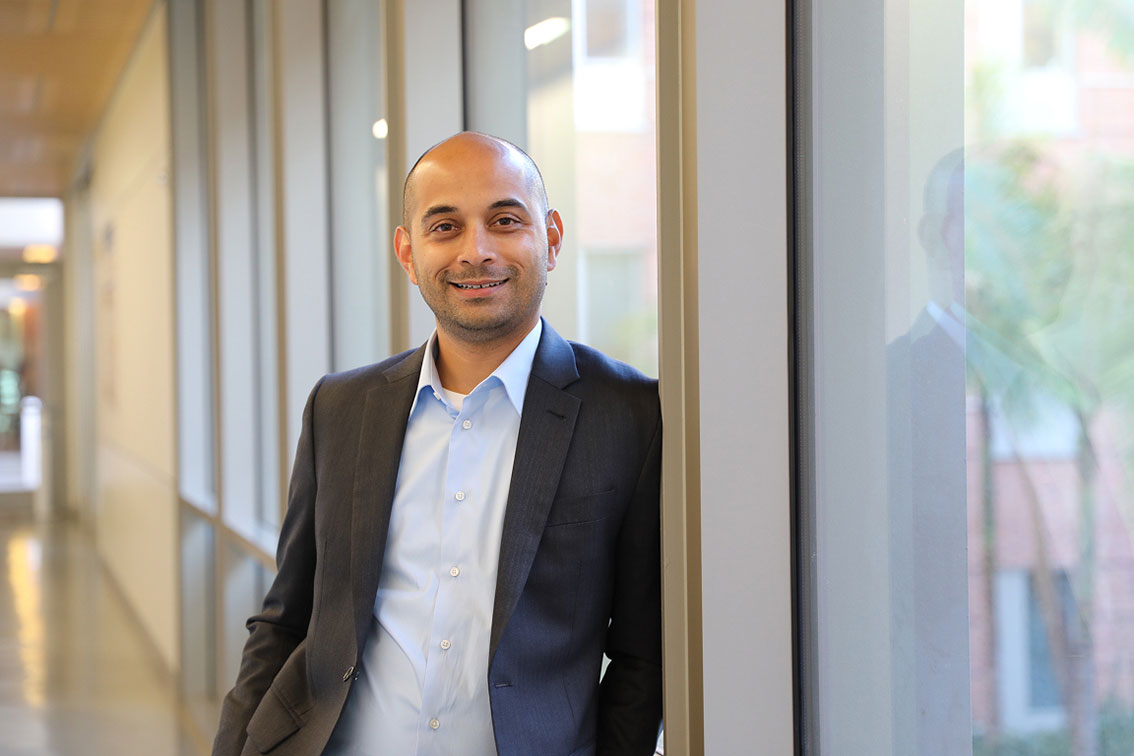
Curbing climate change, from land to sea
For Gaurav Sant, a third-generation civil engineer, humanity has never faced a greater challenge than climate change. With the window to claw back carbon emissions closing fast, Sant and his colleagues are racing against time to turn scientific research into real-world impact.
-
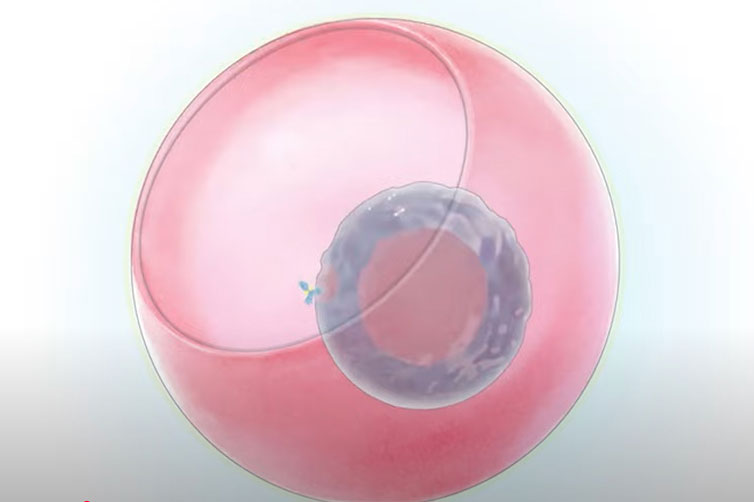
Engineering discoveries into solutions at the tiniest scales
For bioengineer Dino Di Carlo, invention is inseparable from practice. A professor at the UCLA Samueli School of Engineering, he moves fluidly between the worlds of discovery, translation and entrepreneurship — and back again.
-
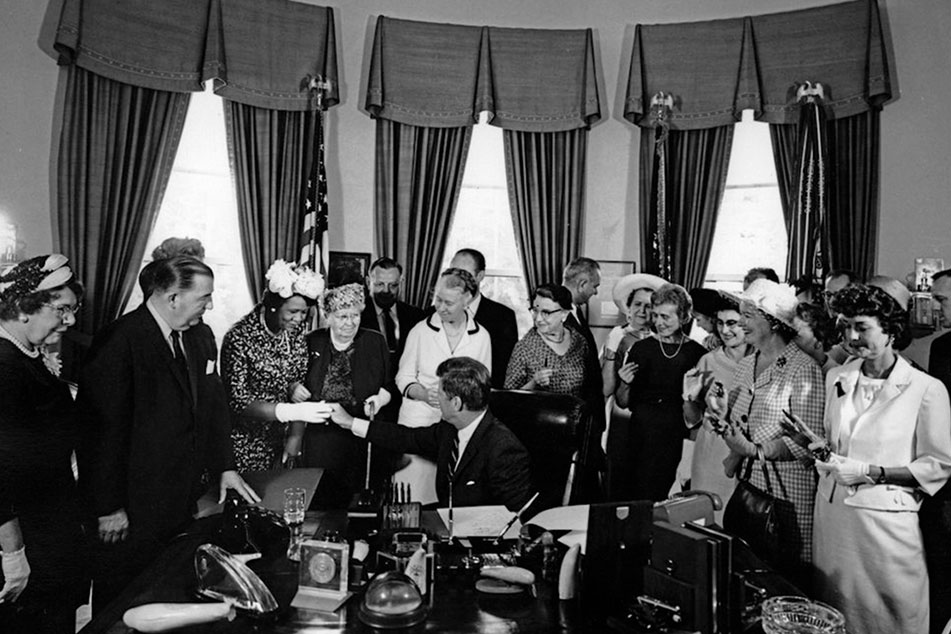
The lives and policies behind the data
Martha Bailey, a UCLA economic historian, leads LIFE-M, a groundbreaking data project that links birth, marriage, death, and census records across four generations to study how economic, educational, health, and environmental factors have shaped American lives since the 20th century.
-
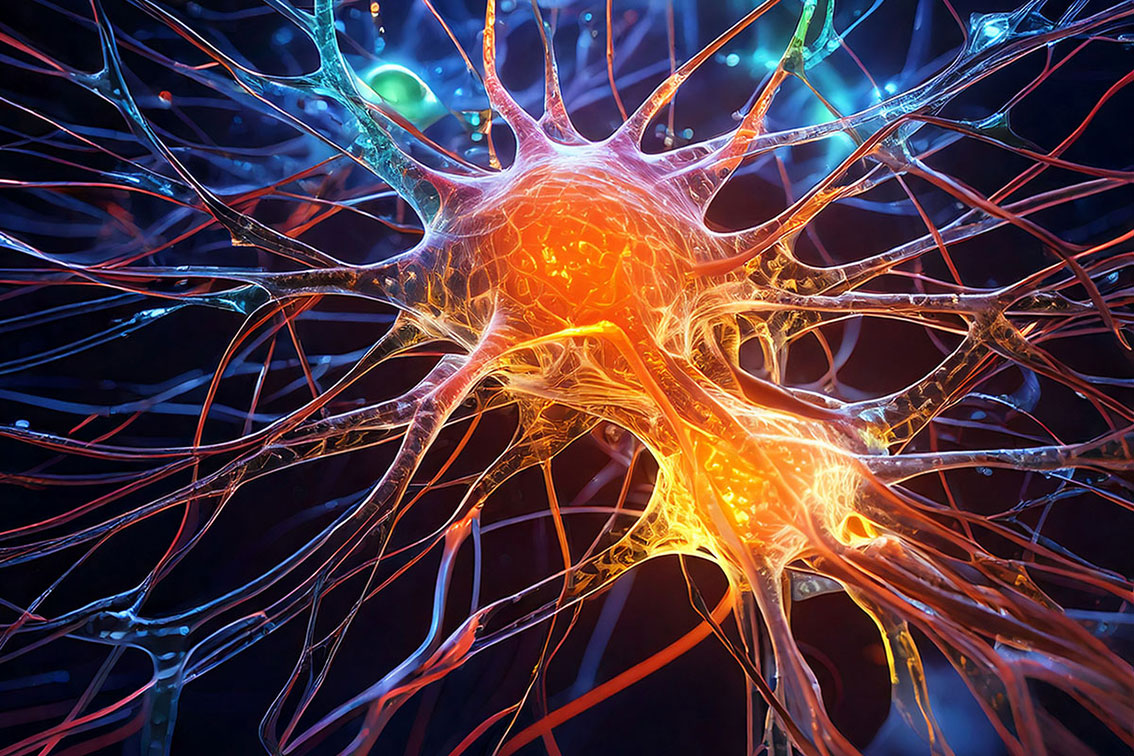
Researchers make progress toward a ‘pill’ for stroke recovery
Imagine a medicine that could help your brain heal after a stroke — without the grueling hours of physical therapy. That’s the promise of a new discovery by UCLA researchers who have identified a drug candidate that successfully mimics the effects of stroke rehabilitation in mice.
-

What’s the trick to aging well?
Castel and an international team of psychology researchers have shown that curiosity doesn’t have to fade with age — certain types of curiosity can persist into later life and actually increase. And better yet, they say, older adults who maintain their curiosity and are eager to learn new things relevant to their interests may be able to offset or even prevent cognitive decline and Alzheimer’s disease.
-

The true cost of abandoning science
What happens when the government turns its back on scientific research? UCLA’s Steven Furlanetto, a professor of physics and astronomy who studies ancient galaxies, powerfully and eloquently addressed this question in a recent opinion column for the Los Angeles Times.
-

A ‘miracle’ drug for leukemia
In 1995, Melvin Mann, a major in the U.S. Army and the father of an 8-year-old daughter, was diagnosed with a rare and deadly blood cancer called chronic myelogenous leukemia. Unable to find a suitable bone marrow donor, he was told he had only a few years to live.
-

Eating fish — without the fear of mercury
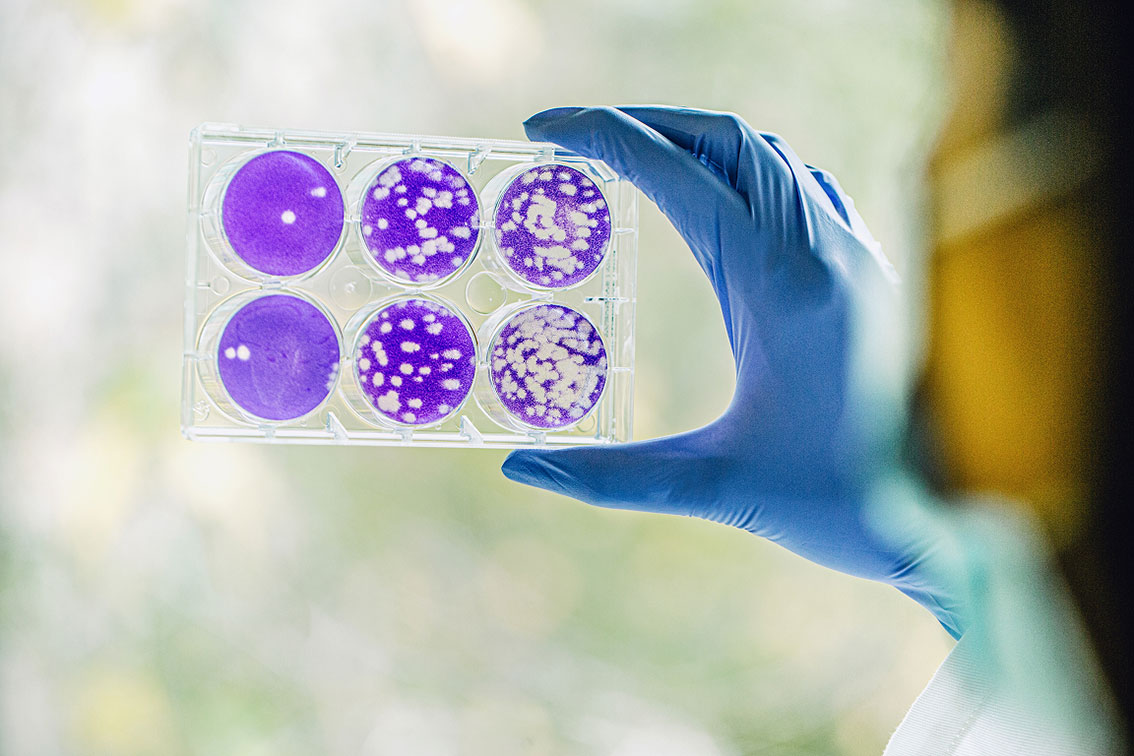
UCLA and UC San Diego researchers, funded by the National Science Foundation, have developed a probiotic that detoxifies methylmercury, a toxic form of mercury found in seafood like bluefin tuna. This could benefit pregnant women and those with fish-heavy diets by reducing risks of mercury poisoning and birth defects.
Stand Up for UCLA Research
Never in its 158-year history has the University of California faced the kind of financial uncertainty that it does today. But a historic opportunity is underway to invest in the UCLA and the UC system, as the state legislature considers SB895, the California Science and Health Research Bond Act.
Lawmakers need to hear from our community about the importance of providing long-term, stable funding for the life-saving research being done at one of our nation’s leading public universities. Together, we can ensure UCLA has the investments needed in this critical moment to continue making research discoveries that benefit and change the world.
UCLA Research in the News
-
UCLA study shows new pill helps people with pancreatic cancer live longer
The Associated Press reported on a UCLA-led study showing a new pill significantly increased survival time for people with advanced pancreatic cancer. The drug is called daraxonrasib and it blocks a mutated protein that fuels tumor growth in more than 90% of pancreatic cancer cases — a target that had eluded treatment for decades. The scientific discoveries that led to the development of the drug took place over the last two decades and were funded by the National Institute of Health. “While not curing the cancer, it is a very large step forward,” said Dr. Zev Wainberg, of UCLA, who helped lead the study.
Associated Press -
New depression therapy focuses on finding paths to joy
A UCLA researcher helped develop a new approach to treating clinical depression. Michelle Craske, a distinguished professor in UCLA’s Department of Psychology, spoke to the Washington Post about positive affect treatment, a therapy designed to help people find more joy, connection and meaning. “They’re reacting to things more, they’re activating those regions of the brain that typically are engaged when we’re looking forward to something positive or we’re experiencing something more positively,” Craske said. “There are definite neurobiological pathways that we’re tapping into here with this treatment.”
Washington Post -
UCLA scientist finds animals return more quickly than expected to deforested land in tropics
Scientists once thought it would take a century or more for animals to return to deforested land in the tropics. Now, new research has found ecosystems can recover in mere decades. “It’s been a huge surprise for all of us,” said UCLA postdoctoral researcher Timo Metz, who is first author of a new study published in the journal Nature. “None of us expected it to be so impressive and so quick.”
The New York Times
Innovation Starts Here
UCLA discoveries and scholarship drive innovation that keeps our country healthy and safe. Our research propels medical breakthroughs, fuels economic growth, strengthens national security and enhances global competitiveness — all vital national priorities. Americans’ work, health and future depend on the groundbreaking work we do.
Nearly 260 companies have licensed technologies developed here. UCLA faculty created more than 280 inventions in the 2024 fiscal year alone. Technology begins with research. Stopping this research would be devastating for UCLA and for Americans across the nation.
-
Everyday Miracles at UCLA
At UCLA, every breakthrough begins with hope. From world first medical advances to second chances at life, UCLA turns knowledge into compassion, possibility, and a brighter tomorrow.
-
-
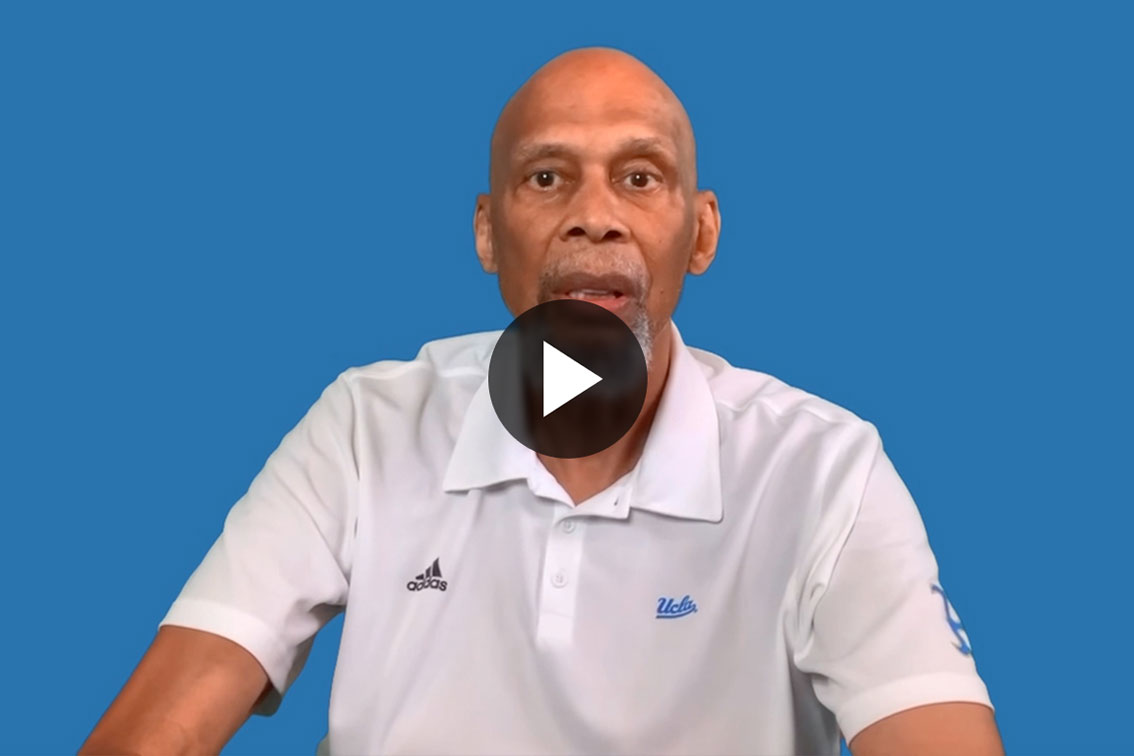
Bruin legend Kareem Abdul-Jabbar speaks from the heart about UCLA’s impact on his life, career and health
-
-
I participated in research as an undergraduate at UCLA and now work at a science-based environmental nonprofit. The work that we engaged in was integral to the work I do now to protect Los Angeles' coastline from extractive use... Science is integral to ensuring our society moves forward and is powered by the process of curiosity and inquiry.”
Zoë Collins
UCLA Alum -
-
How to assign a value to the seven years of additional, precious life my now deceased husband and I shared after he was diagnosed at UCLA with advanced melanoma thanks to Dr. Anthony Riba's ground-breaking research? Beyond dollars and cents.”
Laurie Levin
UCLA Alum -
-
I was a member of the Center for Research Excellence C.A.R.E. program at UCLA as an undergraduate. It was my first opportunity to start working in the lab - the stepping stone into a research career. Now, I am a successful, internationally known scientist in Switzerland at Empa.”
Caroline Reyes
UCLA Alum -
What’s Your UCLA Research Story?
Have UCLA and our research benefited you or someone you love? Tell your story on social media using the hashtag #ResearchPowersProgress, or share it with us.